October 13, 2026
The structural integrity of any brick or stone building relies heavily on the quality of the mortar holding it together. Over time, weather, shifting foundations, and natural wear compromise this vital bonding agent, leading to potentially disastrous issues. For property owners, dealing with crumbling brickwork can be a stressful ordeal. However, anticipating these problems before they escalate is possible with the right approach. Leading masonry contractors have developed highly effective methods for predicting where and when failure might occur, allowing them to implement preventative measures that save time and money. By understanding the underlying causes of degradation and applying proactive solutions, property owners can extend the lifespan of their structures. Protecting your building requires a combination of vigilant observation and expert intervention to ensure that minor flaws do not transform into safety hazards. Learning how professionals approach this challenge provides insight into maintaining a secure property.
Understanding Mortar and Its Vulnerabilities
Mortar serves as the essential glue in brick construction, but it is not impervious to damage. It is designed to be softer than the surrounding masonry units, allowing it to absorb movement that would otherwise crack the bricks themselves. Because it takes on this structural burden, it is vulnerable to gradual deterioration. Moisture is the primary enemy, as water infiltration weakens the bond and causes the material to wash away. Ground settlement also places immense pressure on the joints, forcing them to flex and fracture. Professionals know this gradual weakening is inevitable, which is why top masonry contractors focus heavily on identifying the specific vulnerabilities of each unique structure. By assessing factors such as building age and material composition, experts predict which areas are most likely to experience premature wear and require preemptive attention to maintain stability.
Recognizing the Early Signs of Mortar Degradation
Catching issues early is the key to preventing widespread failure. Visual inspections are the first line of defense in identifying signs that deterioration has begun. One common early indicator is efflorescence, a powdery white substance that appears on joints when moisture travels through the material and leaves salt deposits behind. While the salt is harmless, its presence confirms that water is actively moving through the wall. Regular examinations of the exterior walls allow property owners to spot these early warning signs and address them before they compromise the entire structure.
Assessing the Impact of Environmental Conditions on Mortar Health
The environment dictates how quickly a building exterior will degrade. Extreme weather patterns place immense stress on masonry walls, testing their resilience. In colder climates, the freeze-thaw cycle is highly destructive. When water penetrates the joints and freezes, it expands, causing cracking. As it thaws, water travels deeper into the new cracks, repeating the cycle and causing exponential damage. Conversely, intense sun exposure can cause the material to dry out too quickly and become brittle, losing adhesive qualities. Heavy rain can also erode the surface layer over time. Experienced masonry contractors carefully evaluate the local climate and specific environmental exposures of a building, such as prevailing wind directions, to accurately predict how the weather will impact the structure and determine the best preventative measures to apply.
Utilizing Advanced Diagnostic Tools for Assessment
While visual inspections are useful, modern professionals rely on more than just the naked eye to assess structural health. Advanced diagnostic tools have revolutionized the way experts evaluate building exteriors, allowing them to detect hidden moisture and internal stress without dismantling the wall. Non-invasive moisture meters are used to map damp areas within the structure, pinpointing where water is entering even if the surface appears dry. Thermal imaging cameras also reveal temperature variations that indicate trapped moisture behind the masonry. Additionally, specialized acoustic testing can help determine the density and internal integrity of the joints. By utilizing these advanced technologies, specialized masonry contractors can gather precise data about the condition of the wall, allowing them to identify hidden vulnerabilities and predict potential failures with a high degree of accuracy.
Implementing Proactive Maintenance and Repair Strategies
Once vulnerabilities are identified, the next step is to take immediate action to fortify the structure. Proactive maintenance is more cost-effective than reactive major repairs. For areas where deterioration is just beginning, minor interventions make a massive difference. Cleaning the exterior to remove organic growth like moss prevents plants from rooting into the joints and pulling them apart. When minor gaps appear around windows or specific joints, immediate sealing is crucial to prevent water ingress. According to The Spruce, caulking, typically made of latex or silicone, is best suited for sealing thin seams about 3/8 inch wide or less. By addressing these small gaps quickly with the appropriate sealing materials, property owners can stop moisture from reaching the vulnerable inner layers of the wall and effectively prevent minor wear and tear from evolving into catastrophic failure.
Choosing the Right Materials for Long-Lasting Results
When repairs are necessary, selecting the correct replacement material is vital for a lasting solution. Using a rigid cement mixture on a historic building constructed with a softer lime-based mixture is a recipe for disaster. The new material must be compatible with both the existing mortar and the surrounding bricks in terms of compressive strength and vapor permeability. If the new mixture is too hard, it will not flex with the building, transferring stress to the masonry units and causing the bricks to shatter. Furthermore, if the new mixture traps moisture inside the wall, internal decay will accelerate. The most reliable masonry contractors dedicate significant time to analyzing the original composition of the building materials, ensuring that any new mixture applied perfectly matches the structural requirements and aesthetic finish of the existing wall.
Prioritizing Professional Application Techniques for Success
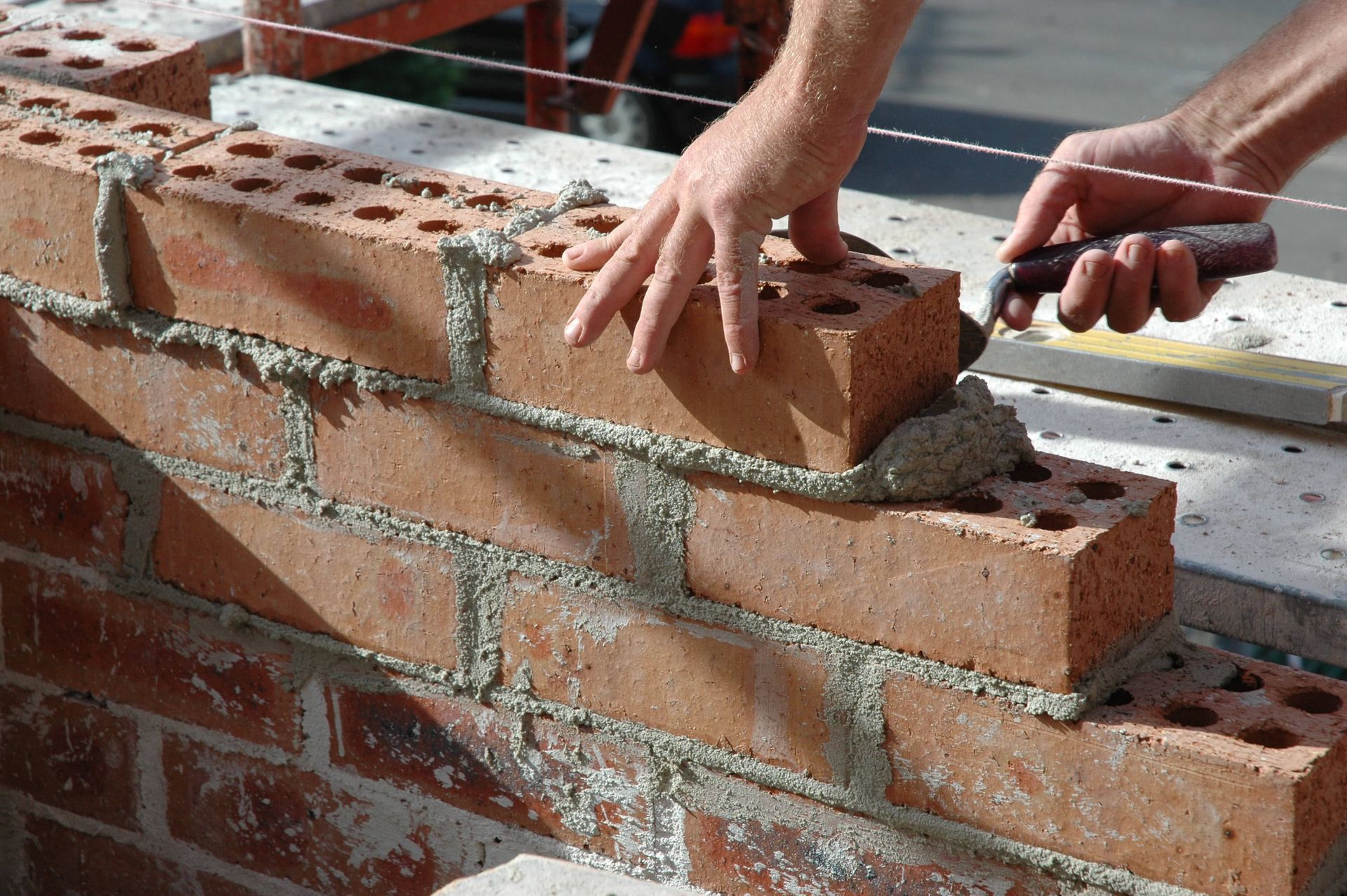
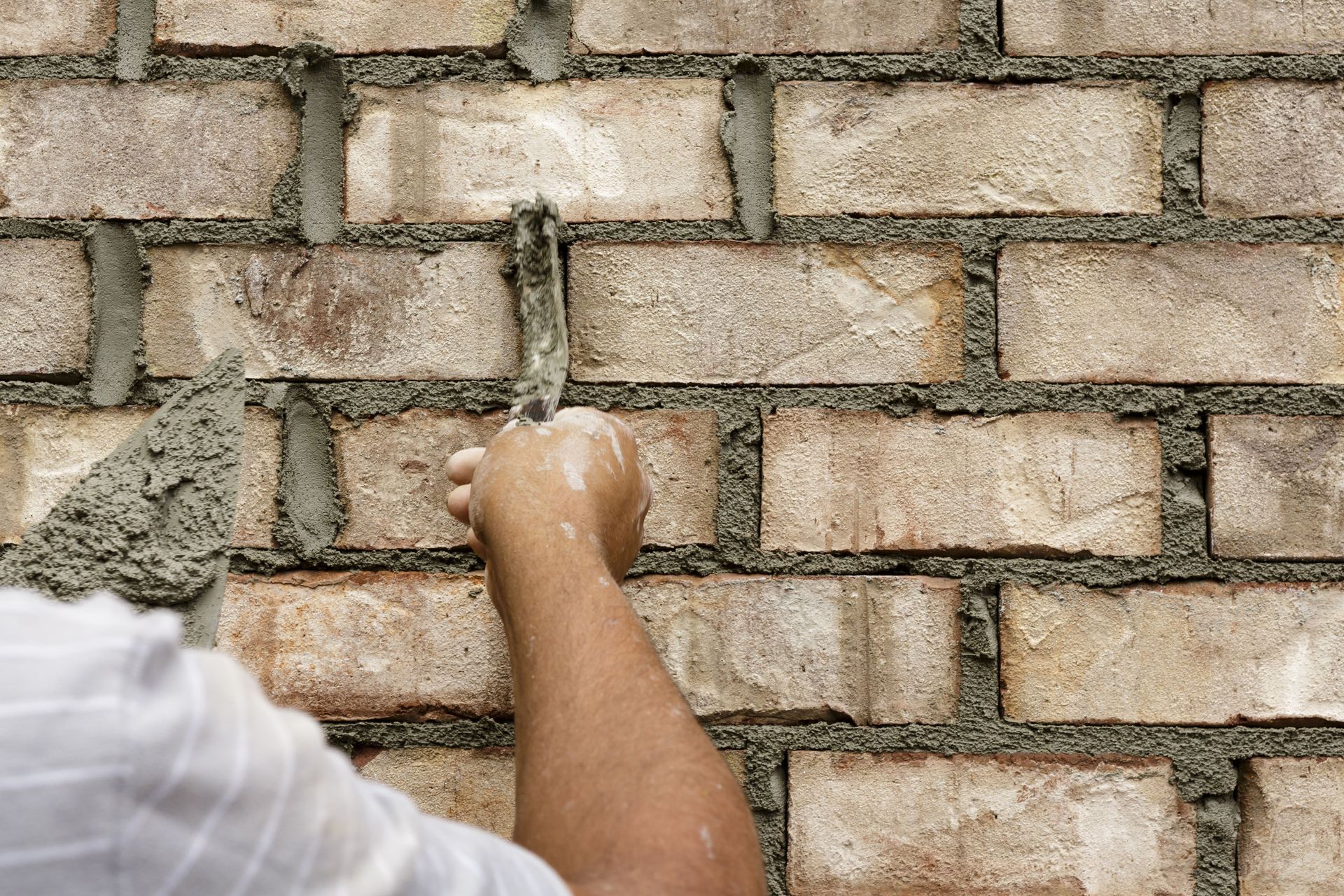
Even the perfect mixture will fail if applied incorrectly. The application process requires skill, patience, and attention to detail. Proper surface preparation is mandatory; all loose and degraded material must be meticulously removed to ensure the new mixture has a solid surface to bond with. The surrounding bricks must also be adequately moistened before application so they do not instantly draw all the moisture out of the fresh mixture, which would cause it to cure improperly and weaken. The material must then be packed tightly into the joints in layers to eliminate any air pockets that could compromise the seal. Masterful masonry contractors understand that the longevity of the repair relies entirely on flawless execution. They utilize specialized tools and refined techniques to ensure every joint is properly filled and cured under optimal conditions.
Ensuring Long-Term Structural Integrity Through Expert Care
Protecting a building is an ongoing commitment. After repairs and preventative measures have been completed, continuous monitoring remains essential. Buildings settle, climates shift, and materials naturally age, meaning that even the best repairs will eventually require evaluation. Establishing a long-term relationship with qualified professionals ensures that a building receives the consistent care it needs to withstand the test of time. Routine check-ups allow experts to track the performance of previous repairs and catch new issues before they multiply. This proactive mindset shifts the focus from managing crises to sustaining health and stability. By partnering with dedicated masonry contractors, property owners gain peace of mind knowing that their investment is being actively protected by individuals trained to see the invisible warning signs and stop structural degradation in its tracks before it causes serious harm.
Safeguarding a building from the quiet threat of structural decay requires vigilance, expertise, and timely action. Understanding how weather, moisture, and time impact exterior walls empowers property owners to make informed decisions about their maintenance routines. Ignoring early warning signs only leads to more complex and invasive restoration projects down the road. By adopting a proactive stance and addressing minor vulnerabilities immediately, you can preserve the safety, beauty, and value of your property. Do not wait until you see crumbling bricks to take action. Ensure your building stands strong for generations by trusting the experts. Call FD Masonry today to learn more about our comprehensive inspection and preventative maintenance services.