July 13, 2026
Maintaining the exterior of a commercial property involves far more than preserving its visual appeal. For property managers and stakeholders, the structural envelope demands consistent monitoring to prevent minor exterior defects from evolving into deep, catastrophic structural failures. This comprehensive guide explores why investing early in a targeted brick repair strategy is a vital shield for a building's foundation. By addressing masonry degradation proactively, commercial property owners can mitigate severe water infiltration, avoid unequal shifting, and maintain compliance with local safety regulations. Understanding the direct connection between exterior masonry health and foundation stability allows managers to protect their financial investments. Ultimately, implementing timely, proactive preservation methods saves thousands of dollars in emergency stabilization while optimizing overall property value.
Understanding the Importance of Brick Maintenance
Brick is one of the most resilient building materials available, valued across generations for its exceptional durability, thermal efficiency, and timeless aesthetic appeal. It has long served as a fundamental cornerstone in both residential and commercial architecture, symbolizing structural permanence and corporate solidity. However, despite this natural resilience, commercial brickwork requires ongoing inspection and professional brick repairs to retain its protective qualities over time. The inherent porosity of clay bricks means they naturally absorb ambient moisture from the surrounding environment. If this moisture is not managed through functional mortar joints, it triggers gradual material breakdown, which eventually threatens the underlying framing of the entire commercial structure.
The most prevalent forms of masonry deterioration include deep structural cracking, spalling, and surface efflorescence. Structural cracking typically stems from environmental stressors, thermal expansion, or shifting pressure from adjacent building components. Spalling occurs when absorbed water freezes inside the brick during cold cycles, expanding and causing the outer face of the masonry to crack and flake off permanently. Efflorescence, the white, powdery crystalline substance frequently visible on exterior walls, indicates that soluble salts are being left behind by evaporating moisture. Left unaddressed by timely brick repairs, these minor surface defects rapidly escalate, allowing water to compromise structural stability and elevate baseline restoration expenses.
Local climate patterns play a definitive role in accelerating the degradation of commercial exterior walls. Regions subjected to harsh winters experience rapid masonry damage due to continuous freeze-thaw cycles that break down weak clay units. Conversely, humid coastal environments with high annual rainfall increase the risk of constant moisture infiltration, driving extensive spalling and internal rot. Urban environments introduce airborne chemical pollutants and heavy vehicular vibrations that actively weaken traditional mortar binders over time. Therefore, analyzing localized environmental hazards is crucial for drafting effective structural preservation strategies and executing proactive repairs before major faults manifest.
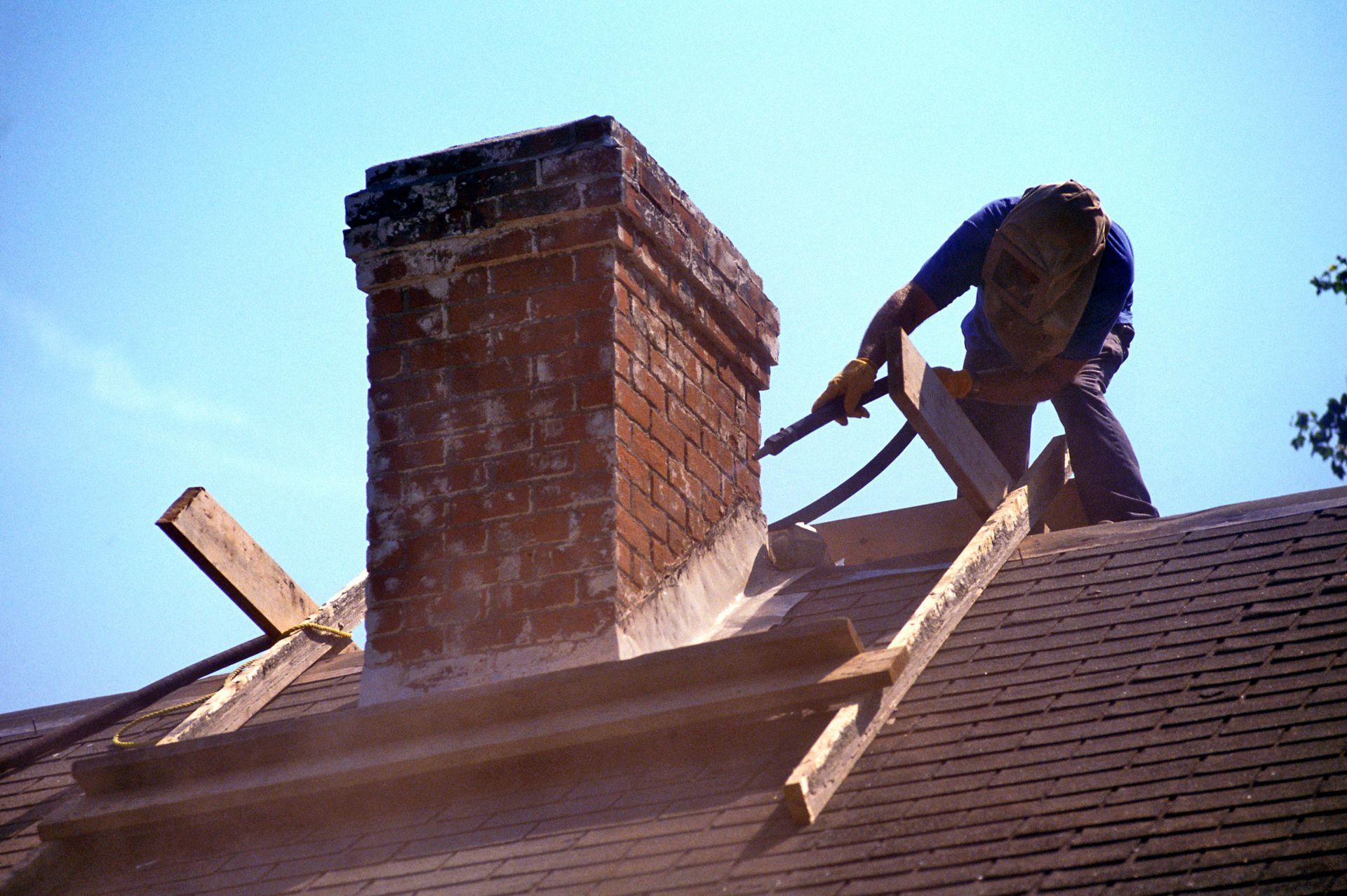
Early detection of physical masonry damage is essential to prevent simple cosmetic blemishes from escalating into severe corporate structural failures. Property owners must continuously watch for stair-step cracks, bulging masonry sections, and crumbling mortar joints along primary load-bearing walls. Furthermore, unusual surface discoloration or localized moss growth indicates problematic moisture retention behind the facade. According to Down to Earth Products, chimney repairs are generally more common in older homes, especially those over 50 years old. This reality highlights the acute need for vigilant exterior inspections across older commercial installations where aging components are highly vulnerable to systematic failure.
Neglecting necessary brick repairs triggers a damaging chain reaction that directly compromises the safety, functionality, and financial viability of any commercial facility. Unchecked moisture infiltration through decayed mortar joints leads to hidden mold colonization, structural wood rot, and severe interior drywall damage. Over time, the continuous weight load of a compromised brick facade shifts unevenly, transferring extreme mechanical stress downward onto the concrete foundation. This severe imbalance results in foundation cracking, settling, and shifting that requires invasive structural piering to correct. Furthermore, a decaying exterior diminishes curb appeal, rapidly devaluing the property asset and driving down tenant retention rates.
The Financial Impact of Foundation Repairs
Consistently scheduling proactive brick repairs is significantly more cost-effective than managing a reactive emergency structure failure. Preventive maintenance involves simple, routine inspections and minor localized repointing, which are minimally invasive and remarkably affordable for property managers. Conversely, reactive maintenance forces property owners to address extensive, deep-seated structural movement after a foundation has already begun to buckle or settle. These late-stage interventions demand extensive labor, specialized engineering oversight, and heavy material expenses. Additionally, reactive structural stabilization often requires partial facility closures, resulting in severe tenant displacement, operational disruptions, and compounding financial losses.
Commercial property insurance premiums are generally lower for facilities that display documented, consistent exterior maintenance records. Insurance providers systematically evaluate structural risk variables, and executing proactive brick repairs demonstrates a corporate commitment to minimizing catastrophic failure hazards. Neglecting structural masonry can also trigger significant liability issues if loose bricks detach and cause injuries to pedestrians or damage adjacent vehicles. Furthermore, neglected commercial buildings experience accelerated depreciation, signaling poor management to potential investors. Preserving the structural health and exterior appearance of a building remains foundational to maintaining its market valuation.
Techniques for Proactive Brick Repair
A reliable masonry preservation program depends on comprehensive, routinely scheduled structural inspections. Property managers should engage certified specialists to evaluate the physical condition of exterior brickwork annually, particularly following severe weather events. Utilizing non-destructive technologies, such as thermal imaging cameras and digital moisture meters, helps technicians identify hidden water pockets before they are visible to the naked eye. Tracking progressive cracking through precision monitoring allows managers to budget accurately for minor interventions, ensuring that cost-effective maintenance techniques are deployed well before foundation integrity is threatened.
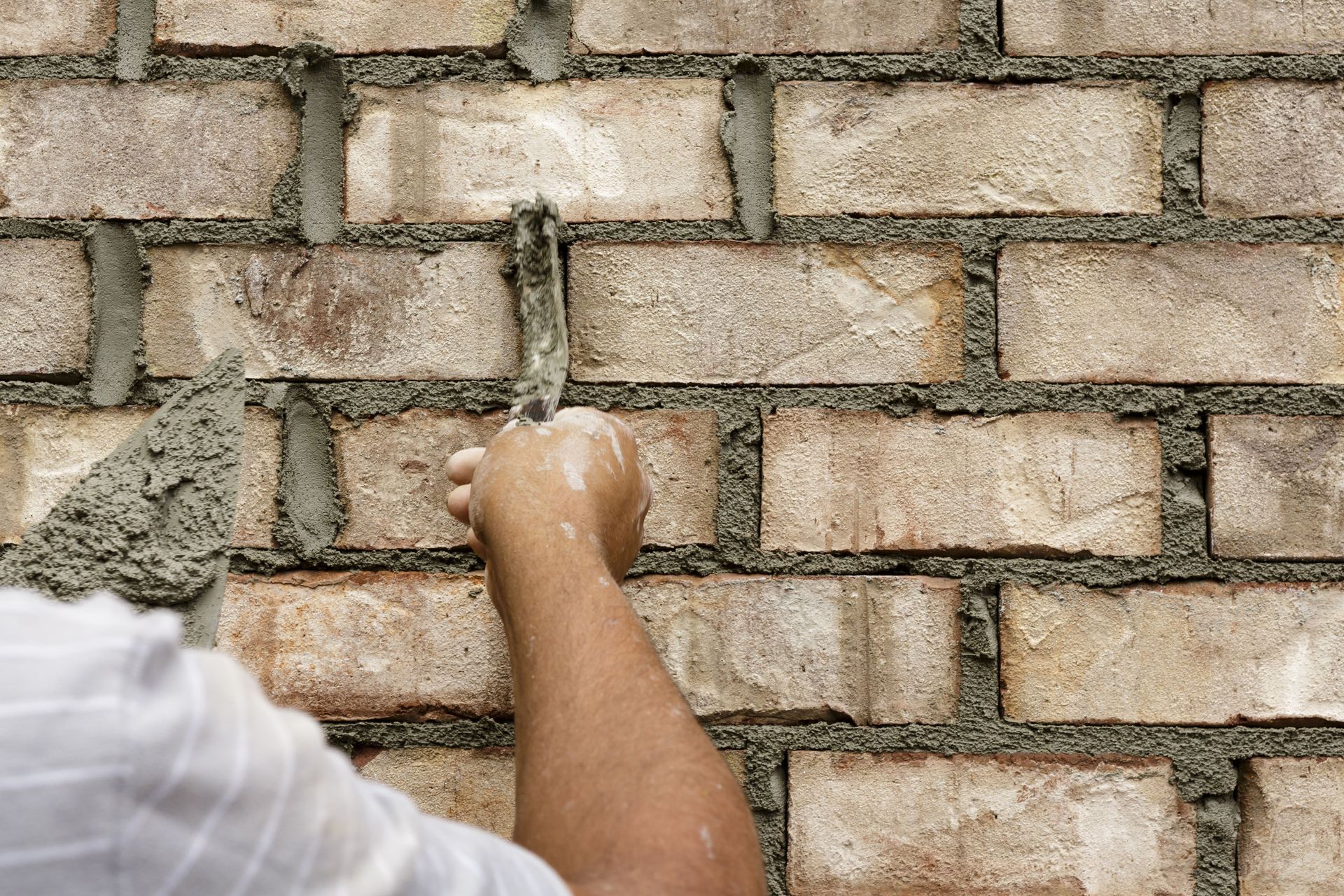
Preventive masonry care involves applying targeted techniques designed to maximize the lifespan of existing building materials. Primary strategies include standard tuckpointing to replace weathered mortar joints and applying breathable, silane-based water repellents to vulnerable brick faces. Maintaining clear, fully functional commercial drainage systems is equally critical to direct stormwater away from both the masonry facade and the foundation base. Additionally, recent advancements like low-impact laser cleaning systems safely remove corrosive urban pollutants without scratching clay surfaces, while structural epoxy injections securely seal deep fractures to restore load-bearing capacity without requiring total wall reconstruction.
Real-World Examples of Successful Interventions
A prominent retail shopping center in Chicago provides an excellent example of successful structural masonry rehabilitation. The facility owners implemented a proactive maintenance plan after noticing localized stair-step cracking along the rear shipping bays. By immediately engaging local contractors to execute targeted brick repairs, they successfully halted localized water intrusion and stabilized the wall envelope. This rapid intervention completely eliminated the risk of foundation settling, while the refreshed exterior boosted tenant satisfaction and retail foot traffic. Similarly, a historic hotel facility in Boston avoided millions in foundation underpinning costs by combining traditional lime-mortar repointing with modern moisture barriers, preserving its classic charm while ensuring modern structural safety compliance.
Safety, Structural Integrity, and Long-Term Benefits
Executing proactive brick repairs is a core requirement for ensuring the ongoing safety of all building occupants and visitors. Addressing loose brickwork or shifting facades promptly prevents dangerous debris failures that could result in personal injury and severe legal liabilities for property owners. Furthermore, structural maintenance significantly boosts a building's overall environmental resilience, ensuring it can withstand severe seismic or weather-related stresses without experiencing catastrophic structural failure. Over the long term, these preventative actions extend the lifespan of commercial properties, lower overall capital expenditure, and support corporate environmental sustainability initiatives by drastically reducing construction waste.
Investing in proactive brick repairs provides commercial property owners with an invaluable strategy for avoiding expensive, late-stage foundation restorations. While exterior masonry issues may initially appear superficially cosmetic, ignoring them allows moisture to rot underlying structures and distort foundational weight distribution. Consistently monitoring your property and partnering with experienced masonry teams ensures your commercial asset remains safe, structurally sound, and financially lucrative for decades to come. If you are ready to protect your facility from escalating foundation costs and restore your exterior masonry to peak condition, contact the trusted team at FD Masonry today to schedule a professional, comprehensive structural assessment.